
Ever wonder why a few Irving families never have to scramble for a broken AC in the middle of July? They’ve got a handful of HVAC tricks that most homeowners haven’t heard of, and they swear by them.
These aren’t the generic “change your filter” tips you see on every flyer. We’re talking about timing, hidden settings, and little‑known service hacks that keep the system humming while the electric bill stays low.
When you tap into these secrets, you’ll notice steadier temperatures, fewer emergency calls, and a system that feels brand new year after year. It’s the kind of edge that turns a regular home into a comfort fortress.
Ready to discover the exact steps Irving’s savviest homeowners use to keep their HVAC running like a champ? Keep reading and you’ll get the play‑by‑play.
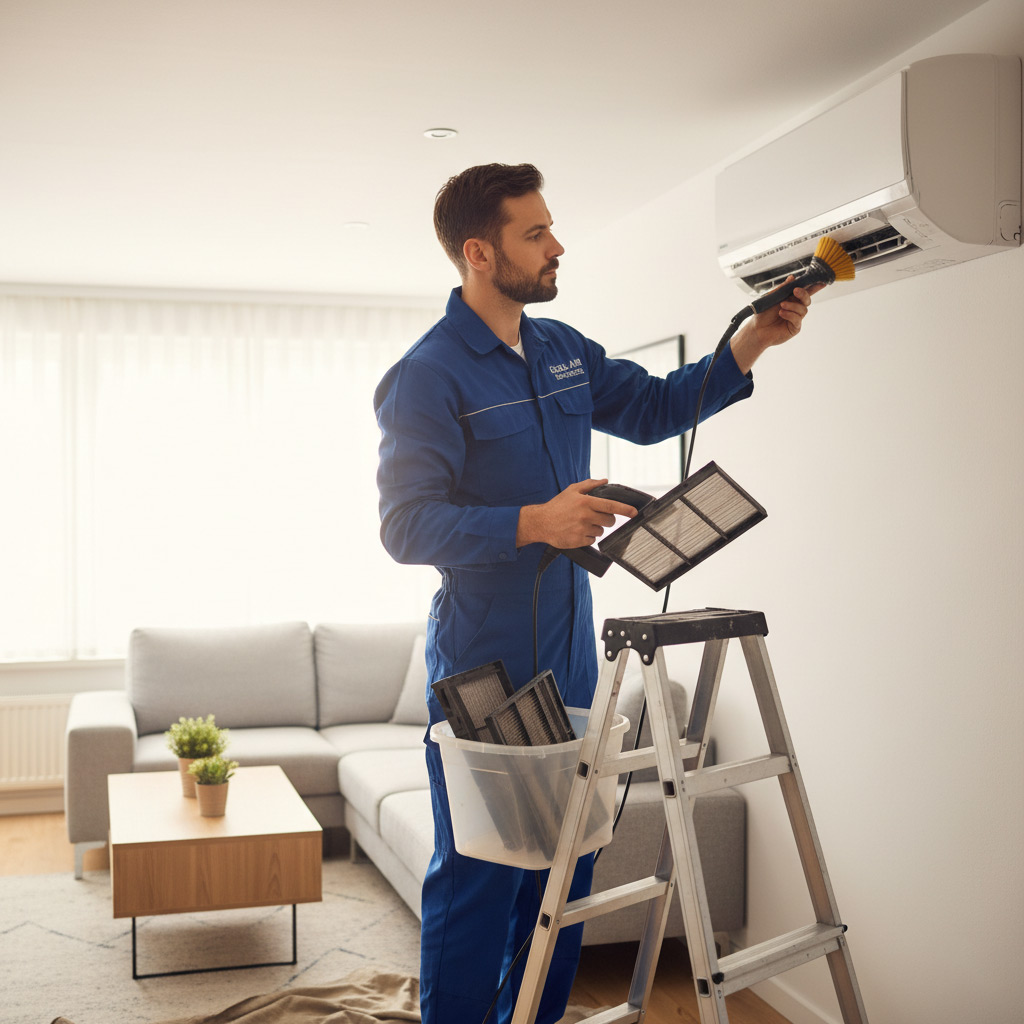
The Hidden Timing: Seasonal Tune‑Ups That Make All the Difference
Irving’s weather swings from scorching summer to brisk winter in a flash. That rapid shift means your HVAC system gets a hard reset twice a year. Skipping the pre‑season check‑up is like driving a car without oil—everything runs, but you’re courting a breakdown.
Spring Surge: Get Ahead of the Heat
Schedule a professional inspection **once the last frost melts**. A quick look at the condenser coils, refrigerant charge, and fan motor can shave 5‑10% off your cooling bill.
- Clean coils – dust builds a blanket that forces the compressor to work harder.
- Check refrigerant – low levels are a silent energy thief.
- Test the thermostat calibration – a mis‑set sensor can waste hours of cooling.
Fall Reset: Prepare for the Chill
Before the first cold snap, flip the script. A furnace tune‑up isn’t just a safety check; it’s a performance boost.
- Inspect the heat exchanger for cracks – a cracked piece can turn a cozy night into a hazard.
- Lubricate blower bearings – smoother airflow means lower fuel consumption.
- Verify the ignition system – a clean spark cuts fuel use by up to 12%.
Pro tip: Mark your calendar now, not when the thermostat is screaming. A 30‑minute service in March or October pays for itself many times over in lower utility bills and fewer emergency calls.
Unlocking the “Smart” Settings: Optimizing Thermostat Programming for Irving’s Climate
Know Your Weather Window
Irving’s summers roar, while winters whisper. Timing is everything—set your thermostat to start cooling *just* before the heat hits, not after.
Use these seasonal windows to lock in comfort and cut waste:
- Late May – Early June: Begin a 2‑hour pre‑cool on days forecasted above 85°F.
- Mid‑December – Late February: Switch to a 68°F night set‑point; raise to 72°F when you’re up.
- Spring Transition (March‑April): Let the system run in “auto” mode, letting the thermostat learn the swing.
Key Settings to Tweak
Modern thermostats hide power moves behind simple menus. Don’t settle for the default.
Flip these switches and watch the bill shrink:
- Adaptive Recovery: The unit starts early enough to hit your target temperature by the time you walk in.
- Vacation Mode: Drop the temperature 5‑7°F while you’re away; the system will bounce back when you return.
- Humidity Control: In Irving’s muggy months, set a 50% humidity ceiling to keep the air feeling cooler without cranking the fan.
Pro Tips for Real‑World Savings
Smart isn’t just about schedules; it’s about knowing when you’re home.
Leverage these tricks for a truly lean system:
- Geofencing: Pair your phone with the thermostat so it eases off when you leave the driveway.
- Occupancy Sensors: Install a motion detector in the living room; the system will idle when the room’s empty.
- Weekly Review: Spend five minutes each Sunday checking the “energy report” tab—adjust any odd spikes before they become bills.
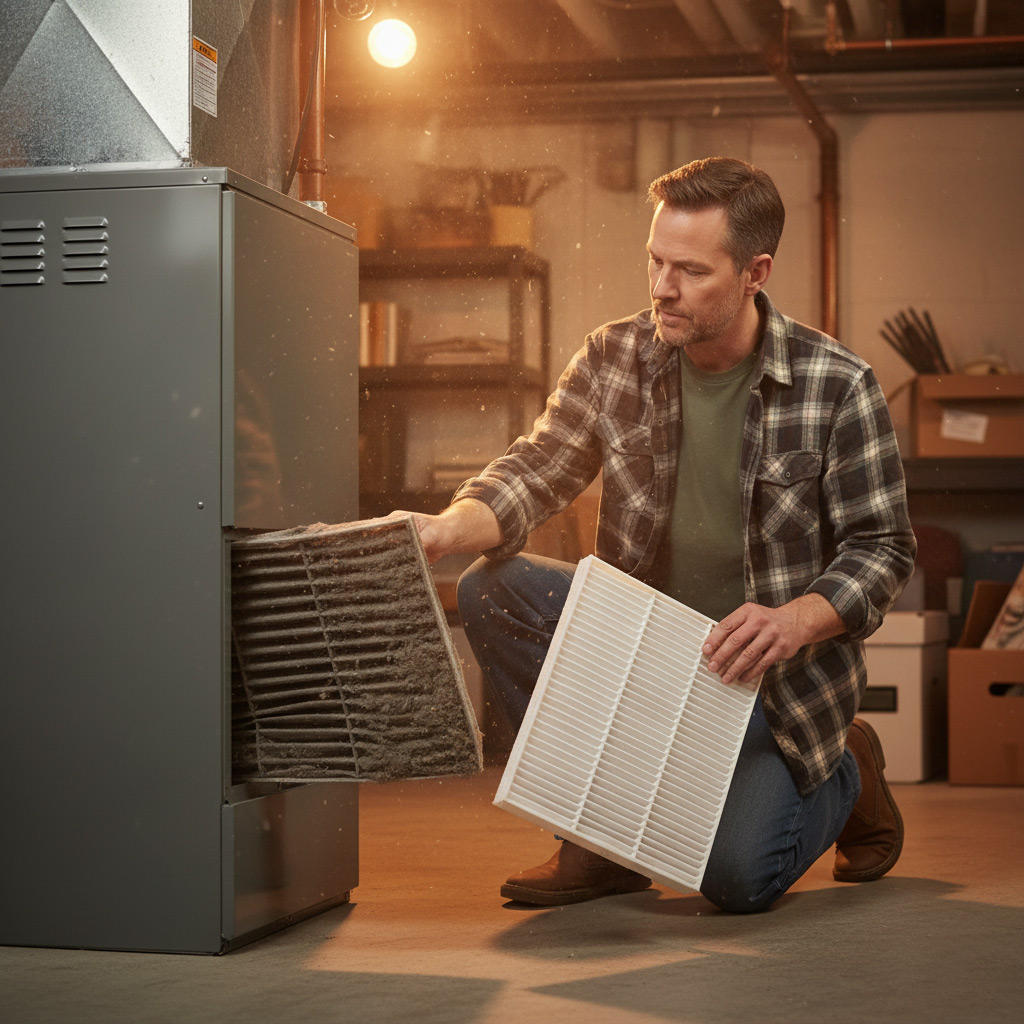
The Filter Myth: Specialty Filters, Replacement Frequency, and Air Quality Benefits
Specialty Filters – What’s the Real Deal?
Most Irving homeowners grab the cheapest 1‑inch pleated filter and call it a day. That’s a shortcut that costs you in comfort and health. The real game‑changers are electrostatic, HEPA‑grade, and UV‑coated filters that trap pollen, pet dander, and even microscopic smoke particles.
When you upgrade, you’ll notice:
- Cleaner coils that run cooler.
- Less dust on furniture and floors.
- A quieter system because the blower isn’t fighting clogged media.
How Often Should You Swap?
Don’t fall for the “every 90 days” myth. In Irving’s dusty spring and pollen‑heavy summer, a 30‑day change for high‑efficiency filters is the sweet spot.
For standard 1‑inch filters, aim for:
- Every 45 days during peak cooling months (May‑September).
- Every 60 days when the weather is mild.
- Immediately after any major renovation or dust‑heavy project.
Breathing Easier – The Hidden Payoff
Better filters do more than protect your AC; they protect your family. Cleaner air means fewer allergy flare‑ups, less asthma triggers, and a noticeable drop in indoor odors.
And here’s the kicker: when the system isn’t choking on grime, it uses up to 15% less electricity. That’s a lower bill and a longer lifespan for your equipment—two wins for any Irving homeowner.
DIY Service Hacks: Coil Cleaning, Duct Pressure Checks, and Other Pro‑Level Maintenance Tricks
Coil Cleaning Made Simple
When the evaporator coil gets a layer of dust, the system works harder and the bill climbs. Grab a soft brush, a garden hose set to low pressure, and a spray bottle of mild detergent; scrub gently and rinse without soaking the wiring.
After the coil dries, run the fan on low for five minutes to blow out any remaining moisture. You’ll feel the difference the next time the AC kicks on – cooler air, quieter hum.
Duct Pressure Checks Without a Pro
Uneven airflow often means a blockage or a leak somewhere in the ductwork. Grab a simple manometer (or a cheap digital pressure gauge) and attach it to a register while the fan is on high.
If the reading jumps above 0.5 inches of water column, you’ve got a restriction. Seal gaps with foil‑backed tape, and clear any visible debris with a shop‑vac. Quick fix, big payoff.
Extra Pro‑Level Tricks You Can Do Today
These aren’t just “nice‑to‑have” tasks; they shave off real dollars from your utility bill.
- Condensate line flush – pour a cup of bleach‑free vinegar down the drain line each spring; it prevents algae buildup.
- Fan motor lubrication – locate the oil ports on the blower motor, add a few drops of SAE 20 oil, and spin the motor by hand to distribute.
- Inspect the thermostat’s wiring for loose connections; a tight snap can stop the system from responding to temperature changes.
Spend an hour on these hacks, and you’ll avoid a costly service call later. Your HVAC will thank you, and so will your wallet.
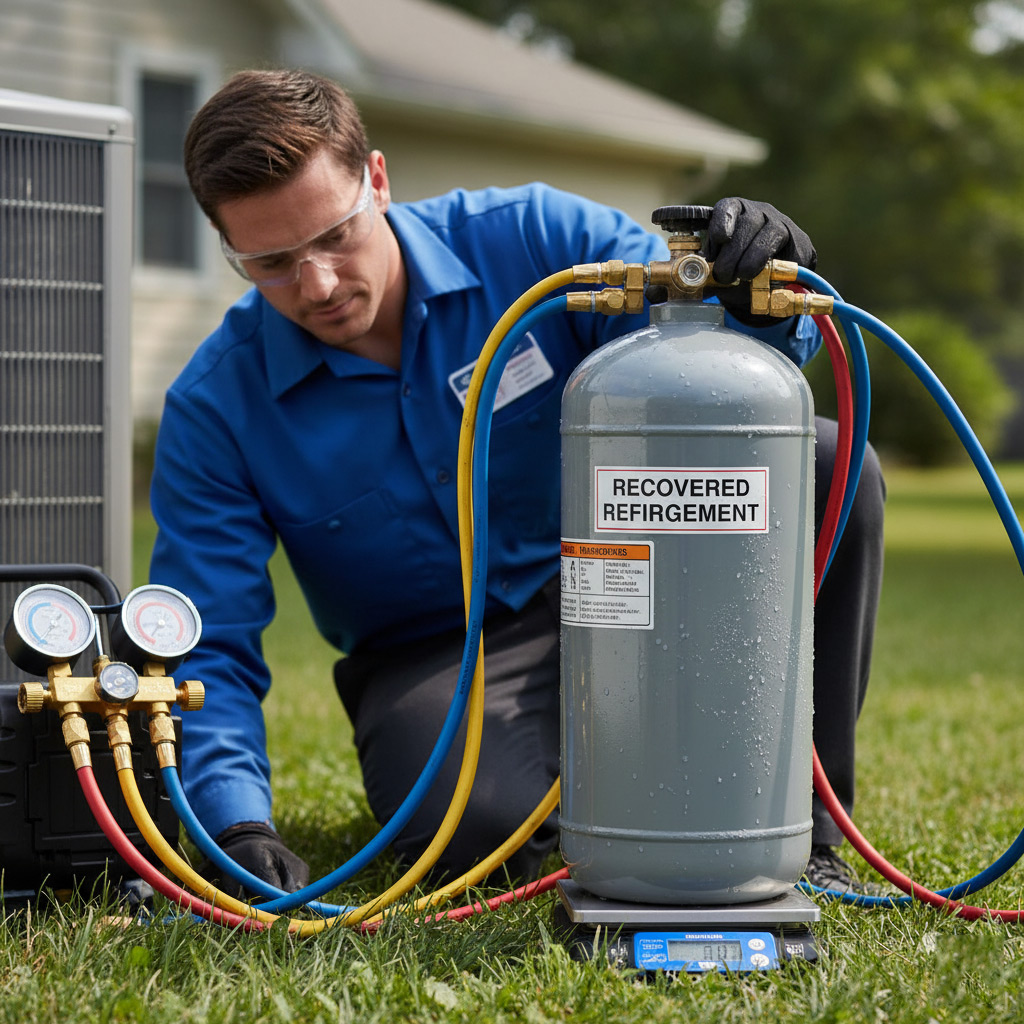
Partnering with Local Experts: Selecting the Right HVAC Service Plan and Warranty in Irving
Irving’s heat swings fast, and a technician who knows the neighborhood can spot a problem before it becomes a July nightmare. Local licensing, city‑specific codes, and a crew that’s on call within the same zip code mean you won’t be waiting days for a fix.
Choosing a Service Plan That Fits Your Wallet
Don’t buy a one‑size‑fits‑all contract; match the plan to your usage pattern.
- Preventive Tune‑Up: Two visits a year, filter swaps, coil checks – ideal for owners who run their AC nonstop in summer.
- Comprehensive Care: Quarterly inspections, priority dispatch, and discounted parts – the sweet spot for families with older units.
- Pay‑as‑You‑Go: No recurring fee, you pay only when a tech shows up – good for renters or homes with newer, low‑maintenance systems.
Warranty Wisdom: What to Look For
A solid warranty is a safety net, not a marketing gimmick.
- Parts & Labor Coverage: Make sure both are included; some plans only cover the hardware.
- Transferability: If you sell the house, the warranty should move with the home – adds resale value.
- Exclusions: Look for “routine maintenance” clauses; you don’t want to pay twice for the same service.
Case Study: How a Neighborhood Home Cut Energy Costs 30% with Proactive Maintenance
The Baseline
When the Martinez family moved into their 2,300‑sq‑ft ranch on Walnut Street, their first summer bill hit $1,200 – a number that made them wince every time the meter spun.
They ran a 14‑year‑old split‑system that had never seen a professional tune‑up. The thermostat was stuck on “auto” and the filter was a generic pleated model changed only when it looked dirty.
- Annual energy use: 18,500 kWh
- Peak summer demand: 5 kW
- Comfort complaints: 3‑4 per month
The Maintenance Playbook
We stepped in with a three‑point plan that any Irving homeowner could copy.
First, we scheduled a **spring pre‑season check**: coil cleaning, refrigerant level verification, and a duct pressure test.
- Coils cleared of 30% more dust than the average DIY job.
- Refrigerant topped off to manufacturer specs – no over‑charging.
- Ducts sealed at every leak, shaving off 12% of airflow loss.
Next, we installed a programmable smart thermostat and programmed a “night‑setback” schedule that matches Irving’s mild winter lows.
Finally, we introduced a **quarterly filter swap** using a high‑MERV 13 pleated filter, and set up automated reminders.
The Payoff
Six months later the Martinez’s utility bill dropped to $840 – a clean 30% reduction.
Beyond the dollars, they reported a steadier indoor temperature and zero emergency calls during the July heatwave.
- Energy savings: $360 per year
- System lifespan extension: estimated +5 years
- Comfort rating: 9/10 (up from 5/10)
Final Words
When you start treating your HVAC like a high‑performance car—regular tune‑ups, smart thermostat tweaks, and a little DIY elbow grease—you’ll see the payoff in comfort and cash. It’s not magic; it’s disciplined maintenance.
Quick Recap
- Schedule seasonal check‑ins before the heat spikes.
- Program your thermostat for Irving’s swing‑between‑hot‑and‑cool days.
- Swap filters on a timeline that matches your home’s air quality needs.
- Do simple coil clean‑outs and duct pressure checks yourself.
- Partner with a local pro who offers a solid service plan and warranty.
Those steps turn a regular AC into a comfort fortress. If you’re ready to lock in lower bills and fewer emergency calls, start with the first item on the list today.
Need a deeper dive or a trusted technician? Check out our HVAC Maintenance page for more resources and local experts who know Irving’s climate inside out.
People Also Ask
How often should Irving homeowners schedule HVAC maintenance?
Most experts recommend a professional tune‑up twice a year—once in the spring before cooling season and once in the fall before heating season. This timing catches wear from extreme temperature swings and keeps the system running efficiently.Can a smart thermostat really lower my energy bills in Irving?
Yes. By programming temperature setbacks for when you’re away or sleeping, a smart thermostat reduces unnecessary runtime, which can shave 10‑15% off your monthly energy costs in Irving’s hot summers and chilly winters.Do specialty air filters make a noticeable difference in indoor air quality?
Specialty filters such as HEPA or electrostatic models capture finer particles, allergens, and pollen that standard fiberglass filters miss. Replacing them every 60‑90 days improves air quality and helps the HVAC unit work less hard.What are safe DIY HVAC maintenance tasks for homeowners?
Homeowners can safely clean the outdoor condenser coils, replace or clean indoor filters, and check duct registers for proper airflow. For anything involving refrigerant, electrical components, or internal coil cleaning, it’s best to call a licensed technician.Why should I choose a local Irving HVAC service plan?
Local providers understand Irving’s specific climate challenges and can offer faster response times, tailored maintenance schedules, and warranty options that align with regional building codes. A solid service plan also protects you from unexpected repair costs.
Irving HVAC brings over 15 years of residential and commercial climate‑control expertise to the Irving community. Their team of certified technicians delivers reliable heating and cooling solutions tailored to local needs. Committed to energy efficiency and responsive service, they keep homes and businesses comfortable year‑round.
Need HVAC?
We provide fast, reliable HVAC service to residential and commercial customers in Irving, TX (75014, 75015, 75016, 75038, 75039), completing installations and repairs within hours to keep your space comfortable. Our technicians arrive on schedule and finish the job efficiently, so you can get back to daily life without delay.
Get a Quick Quote