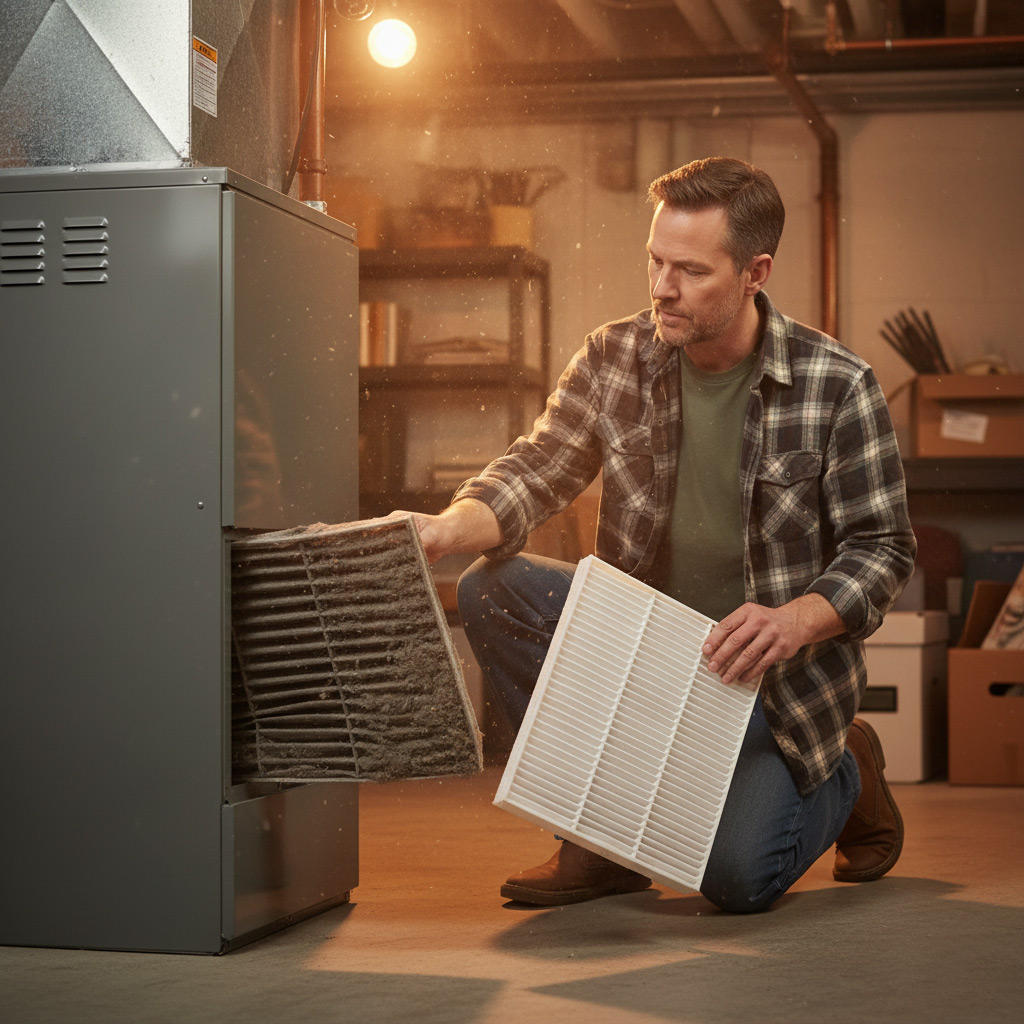
Ever stepped into an Irving house in July and felt like you were sitting in a sauna that forgot to turn off? That’s a sign the HVAC system was designed for a different climate, not the hot‑and‑humid reality we live with.
When a system is sized wrong or the ductwork is a mess, you’ll hear the unit scream, your electric bill will explode, and comfort will become a rare luxury. The good news? A smart design can turn those problems into a smooth, quiet operation that keeps every room at the perfect temperature.
Irving’s weather swings from scorching summers to surprisingly chilly winters, and the local building codes have their own quirks. Ignoring those details is like trying to drive a race car on a pothole‑filled street – you’ll end up paying for repairs you never planned.
Stick around and we’ll walk you through the exact steps to size, place, and fine‑tune a system that handles Irving’s climate like a pro, so you can finally say goodbye to sweaty nights and frosty mornings.
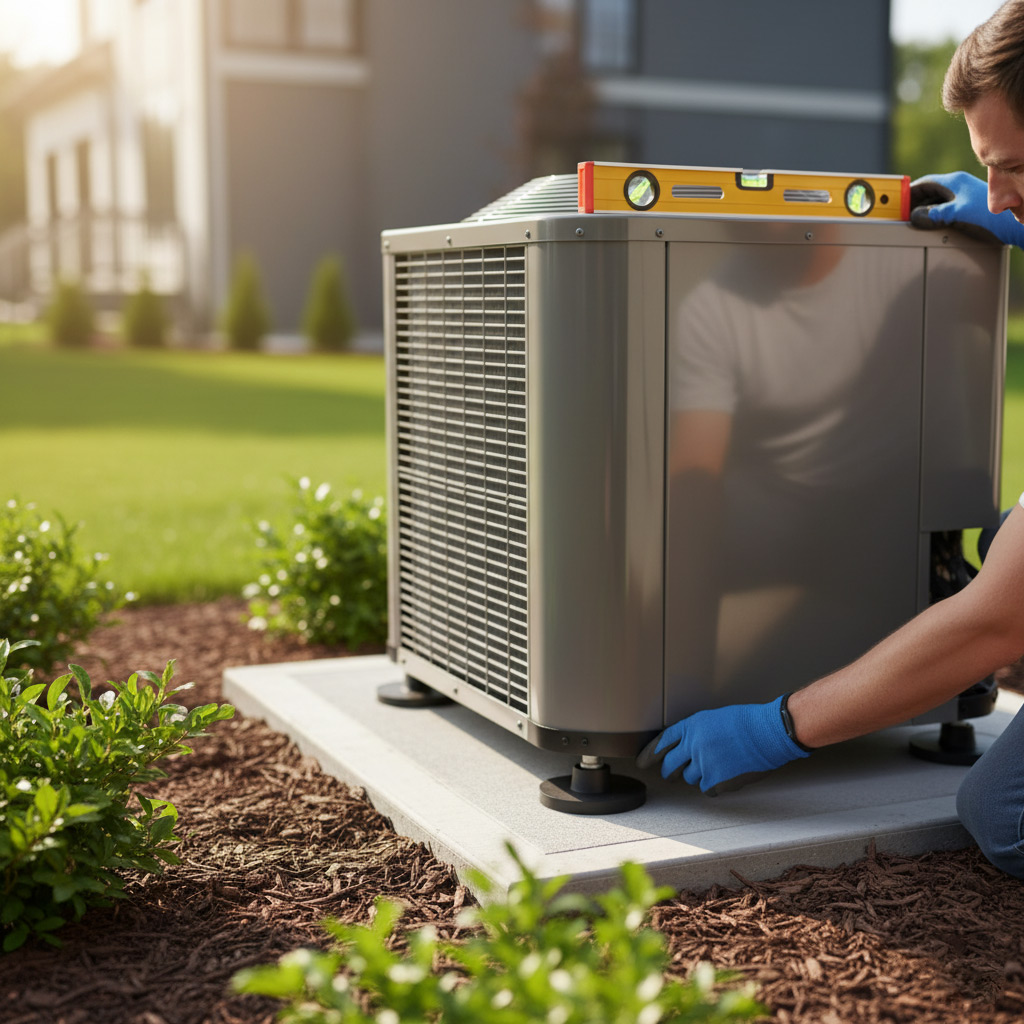
Understanding Irving’s Climate and Its Impact on HVAC Load Calculations
Irving sits in the middle of North Texas, where summer feels like a furnace and humidity hangs in the air like a wet blanket. Temperatures regularly hit the high‑90s°F, and the dew point can climb above 70°F, forcing any HVAC system to work overtime. When winter sneaks in, you’ll still see lows in the 30s°F, so the same house needs heating that can handle a sudden chill.
Why Those Numbers Matter
Every degree above or below the design set‑point adds to the load the system must handle. Oversizing leads to short cycling, wasted electricity, and a noisy unit that never reaches its full efficiency. Undersizing means you’ll be stuck with a furnace that can’t keep the house warm enough on a cold snap.
Key Climate Factors to Feed Into Your Manual J
- Peak summer temperature – 95‑100°F is the rule of thumb for Irving.
- Humidity levels – high moisture raises the sensible heat load.
- Solar exposure – south‑facing windows add extra heat gain.
- Winter low – 30‑35°F drives the heating load.
- Local wind patterns – breezy nights can strip heat from a home.
Plugging these real‑world numbers into a Manual J calculation gives you a clear picture of the BTU demand for both cooling and heating. The result? A system that runs smooth, quiet, and pays for itself in lower utility bills.
Conducting Accurate Manual J Load Calculations for Irving Homes
Why Manual J is non‑negotiable
Skipping Manual J is like guessing a recipe’s ingredients – you’ll end up with a mess on the plate. Every square foot, window, and wall orientation matters when Irving’s heat swings from blistering to bone‑cold.
When you run a proper Manual J, you get:
- Exact BTU demand for each season
- Right‑size equipment that won’t waste power
- Confidence that the system will last 15‑20 years without drama
Step‑by‑step: Getting the numbers right
First, pull the home’s blueprints or measure the rooms yourself. Length, width, and ceiling height are the foundation.
Next, catalog every heat source: appliances, lighting, occupants, and even the sun‑baked patio doors. A quick heat‑gain checklist keeps you from overlooking a hidden load.
Finally, feed the data into a reputable Manual J calculator – many HVAC pros use ACCA‑approved software. The program spits out heating and cooling loads, plus the recommended airflow per room.
Common pitfalls and quick fixes
Don’t use generic “square‑foot” rules; they ignore Irving’s humidity and wind patterns. If you see a load that’s off by more than 10 %, double‑check insulation values and window U‑factors.
Remember: a single‑stage furnace on a 30,000 BTU load will cycle hard and spike your bill. Match the capacity to the Manual J result, and you’ll enjoy steady comfort without the “on‑off” roller coaster.
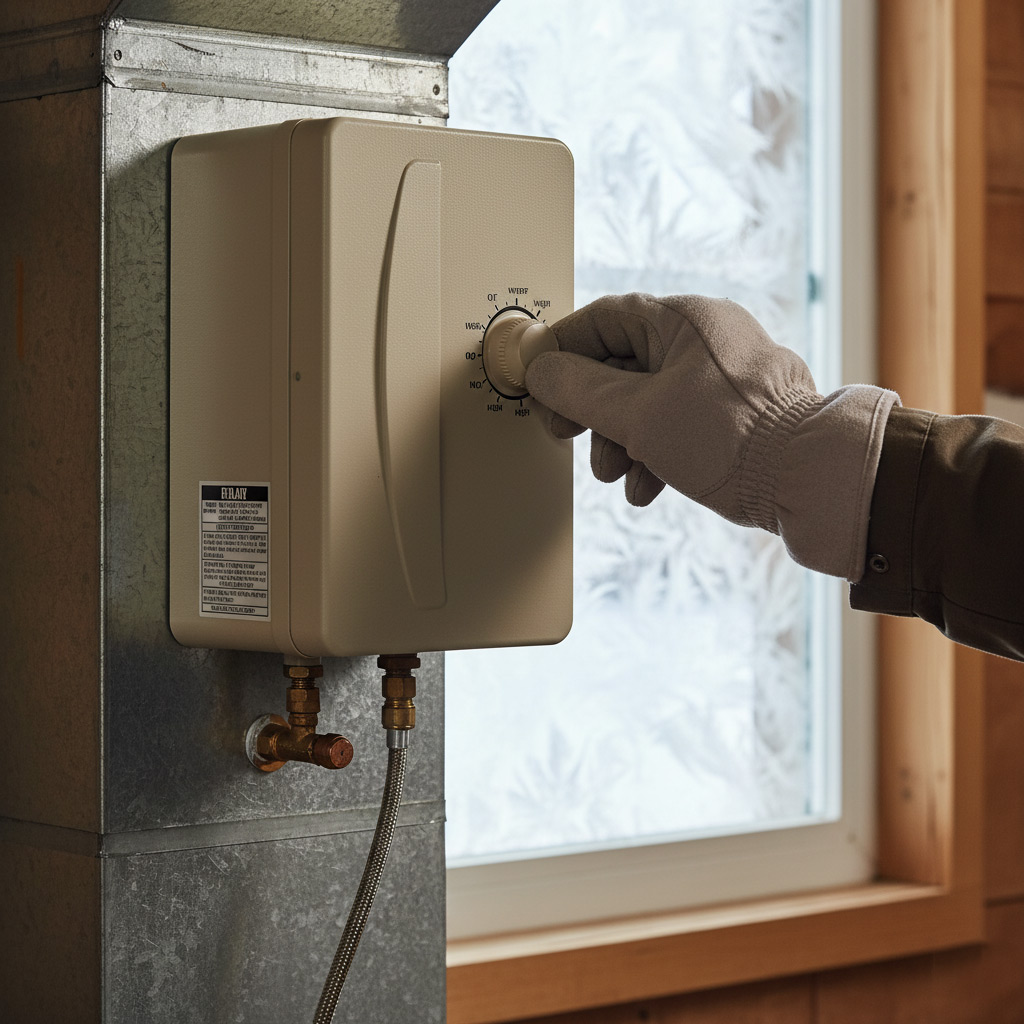
Selecting the Right HVAC Equipment: SEER, HSPF, and Capacity Matching
Irving homeowners don’t need a one‑size‑fits‑all furnace or air‑conditioner. The right unit can shave dollars off your utility bill while keeping every room comfortable. Pick a system that talks to your climate, not the other way around.
What SEER and HSPF Really Mean
These acronyms aren’t just marketing fluff; they tell you how efficiently a unit runs when it’s cooling or heating.
- SEER – Seasonal Energy Efficiency Ratio. Higher numbers = less electricity for the same chill.
- HSPF – Heating Seasonal Performance Factor. Bigger values = more heat output per unit of fuel.
- In Irving, aim for a SEER of 16 + and an HSPF of 9 + to beat the humidity and occasional freezes.
Capacity Matching: Size Does Matter
Even the most efficient unit will sputter if it’s too big or too small for your home’s load.
- Start with a Manual J calculation – it tells you the exact BTU demand for each zone.
- Choose equipment whose rated capacity is within ±10 % of that demand.
- Don’t be fooled by “bigger is better.” Oversized gear cycles on and off, raising wear and your electric bill.
Designing Efficient Ductwork: Layout, Sizing, and Airflow Balancing
Layout Matters
Start with a straight‑run plan. Every 90‑degree turn adds resistance, so keep the path as direct as possible. Think of the duct as a highway—no unnecessary exits.
Sizing Right the First Time
Undersized ducts choke airflow; oversized ones waste energy. Use these quick checks:
- CFM per square foot: 1 – 1.2 for living spaces, 0.8 – 1.0 for bedrooms.
- Velocity range: 600‑900 ft/min for supply, 400‑600 ft/min for return.
- Static pressure: stay below 0.5 in wg for most residential fans.
Run the numbers with a trusted Manual J report, then match the duct diameter to the calculated CFM. No guesswork, just math.
Balancing the Airflow
Even distribution is the secret to comfort. Follow these steps:
- Install adjustable dampers at each branch.
- Measure airflow at each register with a handheld anemometer.
- Trim or open dampers until every room hits its target CFM.
Finish with a final pressure test. If the system holds steady, you’ve nailed the balance. If not, hunt down leaks or mis‑sized sections and fix them fast.
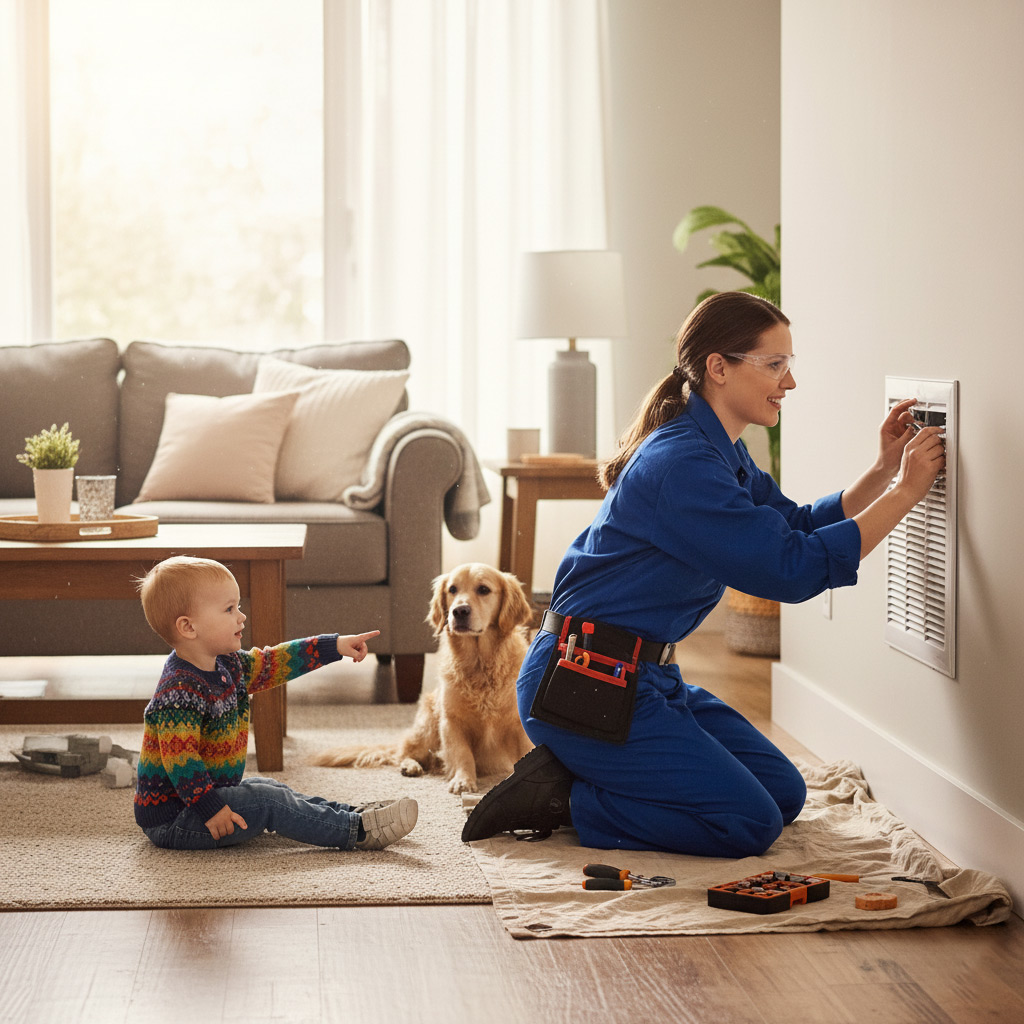
Integrating Smart Controls and Zoning for Year‑Round Comfort
Why a Smart Thermostat Is Your New Best Friend
Modern thermostats do more than turn the heat on and off; they learn when you’re home, when you’re away, and even when the sun is beating down on your roof. Remote access via a phone app means you can dial back the AC before you step out of the car, saving dollars before the bill even arrives. Real‑time alerts tell you if a filter is clogged or a coil is freezing, so you fix problems before they turn into emergencies.
Zoning: Split the House, Cut the Cost
Imagine the master bedroom staying cozy while the garage stays cool—zoning makes that happen. By installing motorized dampers in the ductwork and pairing each zone with its own thermostat, you avoid heating empty rooms or over‑cooling a sun‑baked living room. The result? Lower energy bills and a home that feels balanced from sunrise to sunset.
Steps to Deploy Smart Controls and Zoning in an Irving Home
- Audit the existing layout – note where walls, doors, and windows create natural temperature pockets.
- Choose a compatible smart thermostat that integrates with your HVAC brand and supports multi‑zone control.
- Install motorized dampers at the main trunk lines, then wire each zone to its thermostat.
- Program schedules that reflect Irving’s hot summers and chilly winters – think “cool at night, warm in the morning.”
- Test airflow with a handheld anemometer; adjust damper positions until each room hits its target temperature.
Case Study: Transforming a 2,500‑sq‑ft Irving Home with a Custom HVAC Design
Before the Upgrade
The original system was a one‑size‑fits‑all 3‑ton unit installed in 2008. It was constantly short‑cycling, leaving the master bedroom icy while the kitchen sweltered. The homeowner’s electric bill hovered around $350 a month, and the ducts felt like a maze of dead ends.
The Custom Solution
We started with a precise Manual J calculation that showed a true load of 2.8 tons for summer and 2.2 tons for winter. From there we built a design that matched capacity, efficiency, and airflow.
- Outdoor unit: 2.8‑ton, 16 SEER air‑source heat pump
- Indoor coil: 2.2‑ton, 9.5 HSPF furnace
- Smart thermostat: Wi‑Fi enabled, zone‑aware controller
The ductwork got a complete overhaul: larger main trunk, balanced supply registers, and insulated return plenum. We added a two‑zone system—one for the first floor, another for the upstairs—so each level runs only when needed.
Results You Can Feel
Within the first month the electric bill dropped to $180, a 48% savings. The home now stays comfortably 72°F in July and 65°F in January without the unit whining. The homeowner reports quieter operation, even during the hottest afternoons, and finally gets a good night’s sleep.
Final Words
Now that you’ve seen how Irving’s climate, load calculations, and ductwork all play together, the next move is simple: get a local, licensed contractor to run a Manual J on your home and verify every number. A professional will catch the little things—like a hidden attic leak or a mis‑sized return—that can ruin an otherwise perfect design.
Quick Action Checklist
- Schedule a free on‑site load analysis before you sign any equipment contract.
- Ask for a detailed duct layout with airflow measurements, not just a sketch.
- Insist on a system that meets or exceeds the SEER and HSPF ratings required by Texas code.
When you’re ready to turn those numbers into real comfort, browse our HVAC System Design services or give us a call. We’ll take the guesswork out of sizing, install the right gear, and fine‑tune the controls so every room feels just right—no sweat, no shivers.
People Also Ask
How does Irving’s hot‑humid climate affect HVAC load calculations?
The high summer temperatures and humidity increase both sensible and latent cooling loads, requiring larger BTU capacities and higher SEER ratings. Accurate load calculations must factor in peak outdoor temperatures, humidity levels, and solar gain from local building orientations.What is a Manual J calculation and why is it essential for Irving homes?
Manual J is the industry‑standard method for determining a home’s precise heating and cooling requirements. It prevents oversizing or undersizing equipment, which can lead to higher energy bills, reduced comfort, and premature system wear.Which SEER and HSPF ratings are recommended for Irving’s climate?
For Irving’s hot summers, aim for a SEER of 16 or higher to maximize cooling efficiency. In winter, a HSPF of 9 or above ensures the heat pump delivers optimal heating performance while keeping energy costs low.How can smart thermostats and zoning improve HVAC efficiency in Irving homes?
Smart thermostats learn occupancy patterns and adjust temperature settings automatically, reducing unnecessary run time. Zoning allows separate temperature control for different areas, ensuring each zone receives the right amount of heating or cooling without waste.What are the key steps in designing ductwork for a 2,500‑sq‑ft Irving home?
Start with a detailed layout that minimizes bends and length, then size ducts using the Manual D method to match calculated airflow. Finally, balance the system with proper dampers and static pressure checks to ensure even distribution throughout the house.
Irving HVAC brings over a decade of professional heating and cooling expertise to the Irving community. Their team of certified technicians delivers reliable service and tailored solutions for residential and commercial clients. Committed to energy efficiency and local comfort, they prioritize prompt, courteous service for every project.
Need HVAC?
We provide fast, reliable HVAC service to residential and commercial customers in Irving, TX (75014, 75015, 75016, 75038, 75039), completing installations and repairs within hours to keep your space comfortable. Our technicians arrive on schedule and finish the job efficiently, so you can get back to daily life without delay.
Get a Quick Quote