
Ever called a “fix‑it” guy and watched $500 vanish because of a rookie mistake? In Irving’s scorching summer, a single slip can turn a quick repair into a month‑long money drain.
From DIY hacks that fry the compressor to cheap parts that leak faster than a busted faucet, homeowners make the same costly blunders over and over. The good news? You don’t have to be one of them.
Stick around, and you’ll learn the exact missteps that are draining your budget and how to sidestep them like a pro.
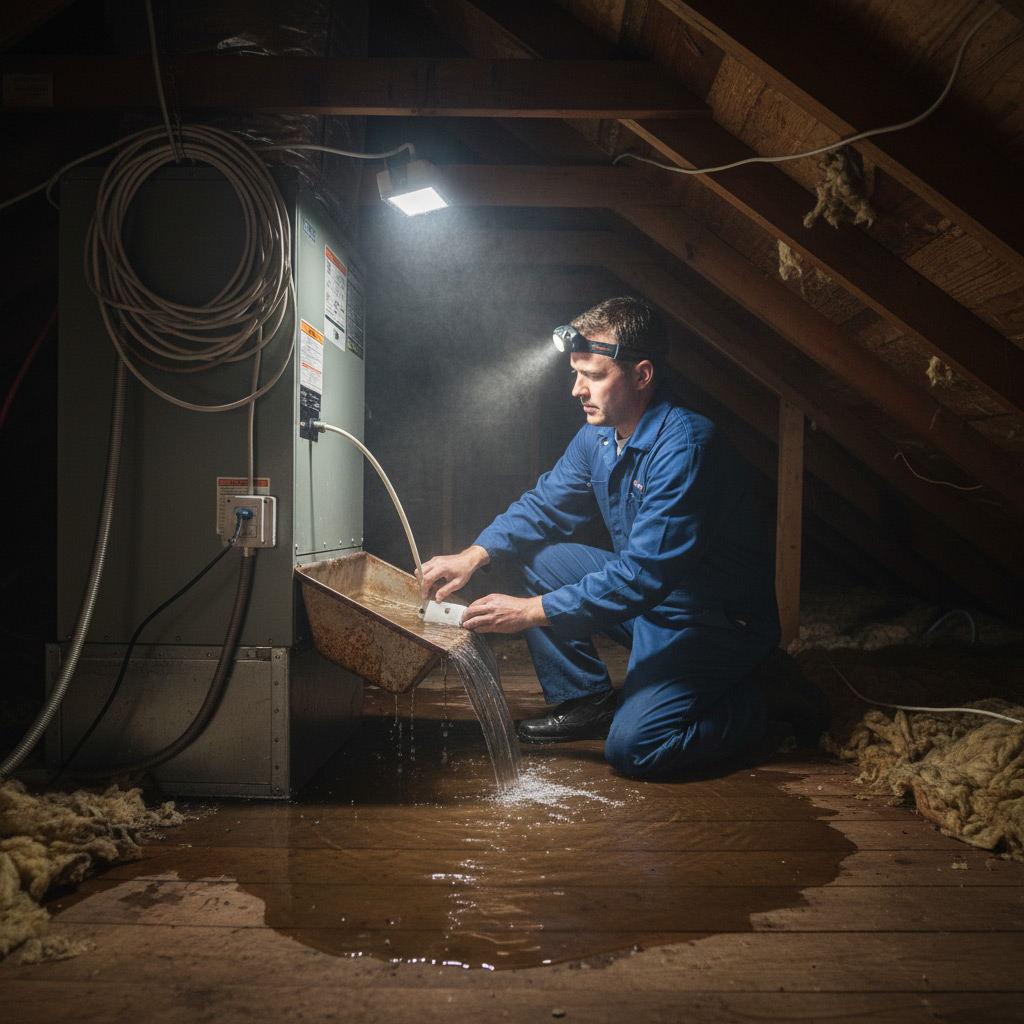
Common DIY Repair Mistakes That Damage Your HVAC System
Most homeowners think a quick screwdriver turn will save a buck, but the reality hits hard when the system quits on a sweltering July night. A single misstep can fry a compressor, corrode coils, or void the warranty faster than you can say “air‑conditioner.”
Skipping the Power Down
Never assume the unit is dead when the thermostat is silent. Leaving the power on while you pry apart panels invites electric shock and can short‑circuit delicate control boards. Always flip the breaker, wait a minute, and double‑check with a voltage tester.
Using the Wrong Tools
Home improvement stores sell cheap wrenches that look the part but lack the torque needed for HVAC fittings. Over‑tightening a refrigerant line with a generic wrench can crack the pipe, leading to leaks that cost hundreds to repair.
- Improper torque – strips threads, forces leaks.
- Wrong screwdriver size – rounds out screw heads.
- Using a hammer on delicate fins – bends them, reduces airflow.
Messing with Refrigerant
Refrigerant isn’t a DIY refill. It’s a high‑pressure gas that requires certified handling. Adding the wrong charge or venting it into your garage not only harms the system but also violates federal regulations.
The Hidden Costs of Using Low‑Quality Replacement Parts
When a cheap coil or a knock‑off fan motor looks like a bargain, the price tag you pay later can be brutal. Sub‑par components fail faster, forcing you back to the service truck before the season even changes.
Why Cheap Parts Bite Back
It’s not just the part itself that hurts your wallet; it’s the ripple effect on the whole system.
- Warranty voided – manufacturers refuse to honor claims if non‑OEM parts are installed.
- Increased energy consumption – inferior seals and poor‑fit coils make the unit work harder.
- Collateral damage – a weak motor can overheat the compressor, leading to a total system replacement.
Investing in Quality Pays Off
Choosing genuine, high‑grade parts may sting a little upfront, but the payoff is real.
- Longer lifespan – OEM parts are engineered to match your unit’s exact tolerances.
- Consistent performance – you’ll notice stable temperatures and lower utility bills.
- Peace of mind – reputable contractors stand behind quality parts, saving you future headaches.
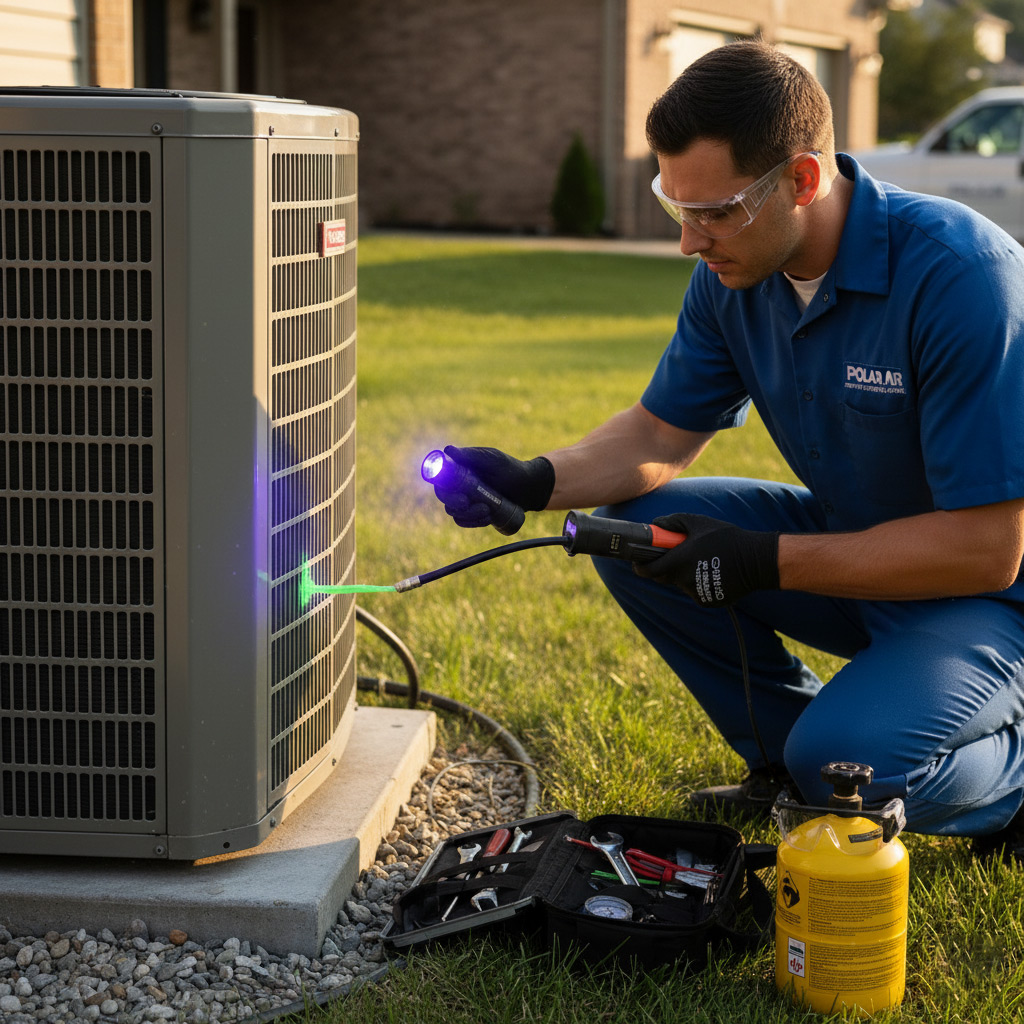
Ignoring Regular Maintenance: How Small Neglect Becomes Big Expenses
The Ripple Effect of Skipping the Seasonal Check‑up
When you let the filter sit dirty for months, the blower works harder, the motor overheats, and the whole system ages faster. That extra strain shows up as higher electric bills and a shorter lifespan for your unit.
Typical signs that a missed maintenance visit is costing you more include:
- Reduced airflow – you feel the heat linger in one corner.
- Unusual noises – rattles, squeals, or a humming that didn’t exist before.
- Frequent short‑cycling – the thermostat turns on and off every few minutes.
From Minor Fixes to Major Replacements
A clogged coil can cause the refrigerant pressure to spike, forcing the compressor to shut down. Replacing a coil is a $1,200‑$1,800 job; a new compressor can top $2,500. Those numbers explode because the original problem was a $30 filter change.
Homeowners who ignore a yearly tune‑up often face emergency calls that include labor rates at night or weekends—rates that can be 1.5× the normal price. The math adds up fast.
Simple Steps to Keep Costs in Check
Spend five minutes each month and you’ll dodge the big ticket repairs. Here’s a quick cheat sheet:
- Check and replace the air filter every 30‑60 days.
- Clear the outdoor unit of leaves and debris.
- Schedule a professional inspection before the cooling season peaks.
Doing these basics saves you from the nightmare of a system collapse in the middle of a Texas heatwave. Your wallet—and your comfort—will thank you.
Choosing the Wrong Contractor: Red Flags and How to Vet Professionals
Red Flags to Watch
When a quote arrives on a napkin or the contractor can’t spell “HVAC,” you’ve already stepped into trouble. Too‑good‑to‑be‑true pricing often hides hidden fees that pop up later.
Other warning signs include:
- No physical address or a PO box only.
- Lack of proper licensing or insurance—ask for proof.
- Reviews that read like generic marketing copy.
- Pressure to sign a contract on the spot.
How to Vet a Contractor
Start with a quick background check. A reputable Irving HVAC service will have a valid Texas license and up‑to‑date insurance, both easy to verify online.
Next, dig into their track record:
- Ask for at least three recent references and actually call them.
- Check the Better Business Bureau for complaints and how they were resolved.
- Look for industry certifications—NATE, ACCA, or similar.
Finally, compare written estimates. The lowest price isn’t always the best; a detailed breakdown shows transparency and helps you spot hidden costs.
One Last Pro Tip
Never sign a contract that doesn’t spell out the scope of work, warranty terms, and payment schedule. Clear paperwork protects both you and the technician.
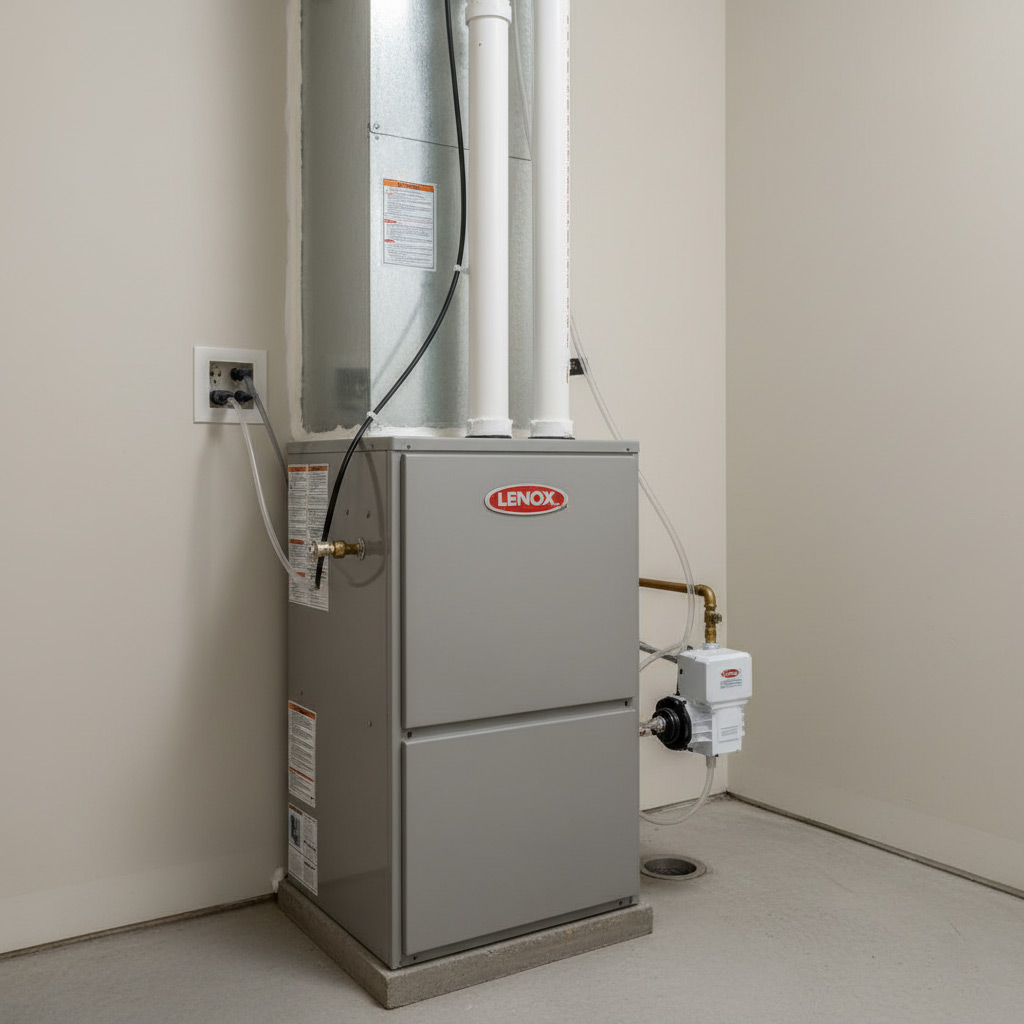
Overlooking Energy Efficiency Upgrades and Their Long‑Term Financial Impact
Most Irving homeowners treat their HVAC as a “set‑and‑forget” box, but the hidden savings are huge when you upgrade the right components. A modest SEER‑rated air‑handler can shave 15‑20% off your monthly electric bill, and that adds up fast in a climate that never quits.
What upgrades actually move the needle?
- Variable‑speed blower motors – smoother airflow, less wear, and lower power draw.
- High‑efficiency heat pumps – heat and cool with one unit, cutting dual‑system costs.
- Smart thermostats – they learn your schedule, so you never waste a degree.
Skipping these upgrades feels like saving a few bucks today, but the math flips in a few years. Your utility company will keep sending higher bills, and when you finally decide to sell, a dated system drags down the home’s market value. In short, the “cheap‑now” choice becomes a pricey regret later.
Case Study: How One Irving Homeowner Saved $2,300 by Avoiding These Mistakes
The Situation
When Mark Hernandez noticed his AC sputtering on a July afternoon, his first instinct was to grab a wrench and a cheap replacement coil from a discount store. He thought a quick DIY fix would save him time and money.
Within a week, the unit stopped cooling altogether, and the electric bill spiked by $150. Mark realized he’d spent $400 on parts that never fit and a frantic call to a “fix‑it” guy who charged $250 for a botched repair.
The Turnaround
Mark called a certified Irving HVAC contractor who ran a thorough diagnostic. The tech discovered three red flags:
- Improper part size – the cheap coil was two inches too short.
- Missing refrigerant charge – the DIY job left the system low on coolant.
- Neglected filter – a clogged filter was choking airflow.
Instead of replacing the whole system, the contractor:
- Installed a genuine, manufacturer‑approved coil ($1,200).
- Recharged the refrigerant correctly ($150).
- Swapped the filter and set up a quarterly maintenance plan ($100).
The total out‑of‑pocket cost was $1,450, but Mark avoided a $3,750 full‑system replacement that the “fix‑it” guy had quoted.
The Results
Within two weeks, Mark’s AC was blowing 22 °F cooler air, and his utility bill dropped back to normal. He saved $2,300 compared to the worst‑case scenario and gained peace of mind knowing his system was backed by a warranty.
“I learned the hard way that cheap shortcuts cost way more,” Mark says. “Now I schedule regular check‑ups and never settle for bargain parts again.”
Final Words: Protect Your Wallet and Comfort with Smart HVAC Decisions
Think of your HVAC system as a high‑performance athlete—you don’t expect gold medals if you feed it junk and skip training. Consistent, smart choices now keep the unit humming, the bills low, and the indoor climate just right.
Here’s a quick cheat sheet you can start using this afternoon:
- Schedule a professional tune‑up before the heat spikes.
- Swap out any cheap, off‑brand parts for OEM guarantees.
- Set a reminder for filter changes every 30‑45 days.
- Ask any contractor for proof of licensing and insurance before they lift a wrench.
Take Action Today
Don’t wait for the next breakdown to hit your wallet. Click HVAC Repair and lock in a preventive visit—your future self will thank you.
People Also Ask
What are the most common DIY HVAC repair mistakes homeowners make?
Homeowners often forget to turn off power before working on the unit, use the wrong tools, or attempt to fix refrigerant leaks without proper certification. These errors can cause electrical hazards, further damage, and void warranties.
Why should I avoid low‑quality replacement parts for my HVAC system?
Cheap parts may not meet manufacturer specifications, leading to reduced efficiency, frequent breakdowns, and shortened system lifespan. Investing in OEM or certified components ensures reliability and protects your warranty.
How does skipping regular HVAC maintenance increase repair costs?
Neglecting routine tasks like filter changes and coil cleaning allows dirt and wear to accumulate, causing strain on components and higher energy bills. Early detection of issues during maintenance can prevent costly emergency repairs.
What red flags indicate I’m hiring the wrong HVAC contractor?
Beware of contractors who lack proper licensing, provide vague estimates, or pressure you into unnecessary services. Always verify credentials, read reviews, and request a detailed written quote before signing.
Can upgrading to energy‑efficient HVAC equipment save me money in the long run?
Yes, high‑efficiency units reduce electricity usage and qualify for rebates or tax incentives, lowering monthly utility costs. The upfront investment is typically recouped within a few years through these savings.

Irving HVAC brings over 15 years of residential and commercial climate‑control expertise to the Irving community. Their certified technicians specialize in efficient heating, cooling, and indoor‑air‑quality solutions tailored to local homes and businesses. Committed to reliable service, they prioritize prompt response and transparent communication for every project.
Need HVAC?
We provide fast, reliable HVAC service to residential and commercial customers in Irving, TX (75014, 75015, 75016, 75038, 75039), completing installations and repairs within hours to keep your space comfortable. Our technicians arrive on schedule and finish the job efficiently, so you can get back to daily life without delay.
Get a Quick Quote